 The ukulele or "uke" is a wonderful guitar-like instrument, originating from Hawaii. For a novice to the uke, or to musical instruments in general, this article serves as a guide in deciding which size uke is right for you, and also suggests some popular ukuleles you might consider purchasing.
There are four main types of ukes in the market today. In increasing order of sizes (and typically in increasing order of price ranges as well), they are the soprano (the "original"), concert, tenor and baritone ukes. The size affects the tone of the instrument (typically the larger, the deeper the sound), and of course its portability.
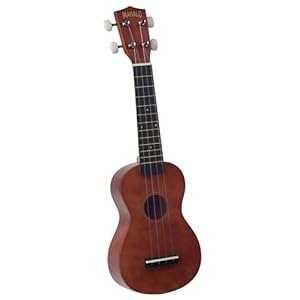
Being typically the cheapest, the soprano is great for complete novices experimenting around with musical instruments. Its sound is what a uke is typically associated with. Its small size makes it ideal for kids as well. Mahalo is a popular brand, and the Mahalo U-50G Economy Soprano Ukulele is a great starter ukulele.
In terms of tonal quality, the concert ukulele is close to the soprano. The concert uke's advantage lies in its larger size, which allows for easier maneuverability and thus might be easier to pick up, especially for those with larger hands. The Oscar Schmidt OU2 Concert Ukulele features a beautiful mahagony body as well as great sound.
The tenor ukulele is a preferred choice of many professional players. It's an ideal performance instrument, with its larger size allowing for impressive ukulele techniques. The Luna 26-Inch High-Tide Ovangkol Tenor Ukulele is a wonderful instrument with a distinctive shape.
Finally, the baritone, being the largest, sounds closest to an actual guitar sound ("deeper" sound than other ukuleles). If you're looking to move on to the guitar in future, consider a baritone ukulele as your starting instrument. A popular one is the Lanikai LU-21B Baritone Ukulele.
As we can see, size does matter when it comes to the ukulele. Hopefully this guide has served its purpose in helping you decide on a right-sized uke for your needs.
Mako Kaye loves the ukulele and maintains a site at Ukulele Reviews reviewing the latest and most popular ukuleles in the market today.
He recommends the Mahalo U-50G Economy Soprano Ukulele for the novice ukulele player with a tight budget.